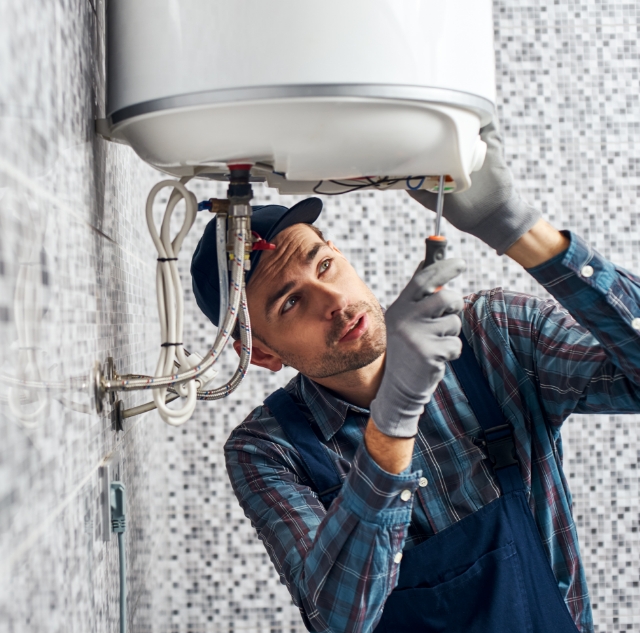
🛠️ 5 Practical Maintenance Tips
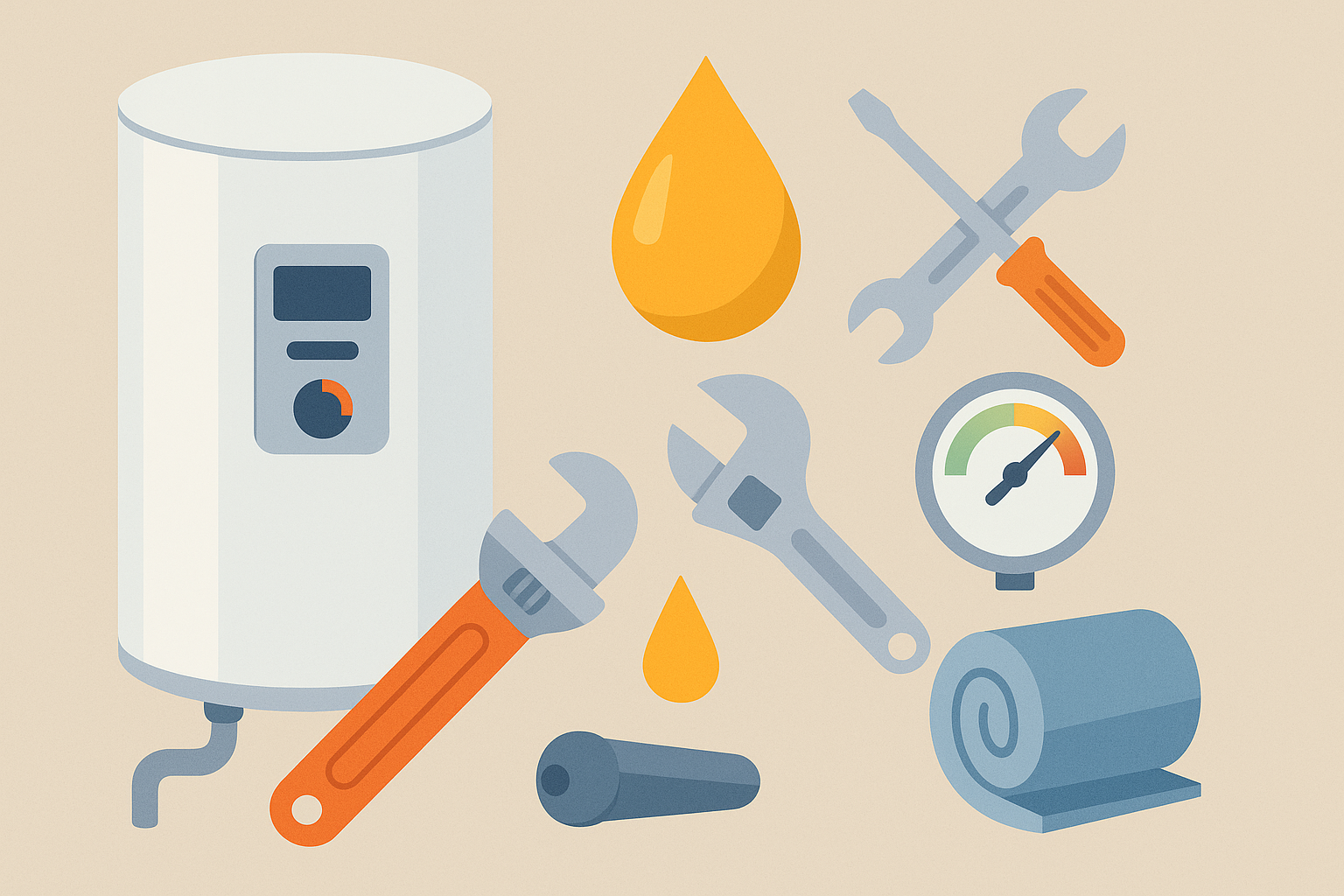
A storage water heater is an essential appliance in most homes, quietly working behind the scenes to provide warm showers and hot water for daily use. But like any appliance, it won’t last forever—unless you take proper care of it. While most storage water heaters have a lifespan of 8–12 years, regular maintenance can extend that lifespan significantly, saving you from costly repairs or premature replacements.
In this article, we'll share 5 simple but powerful maintenance tips to help you get the most out of your storage water heater.
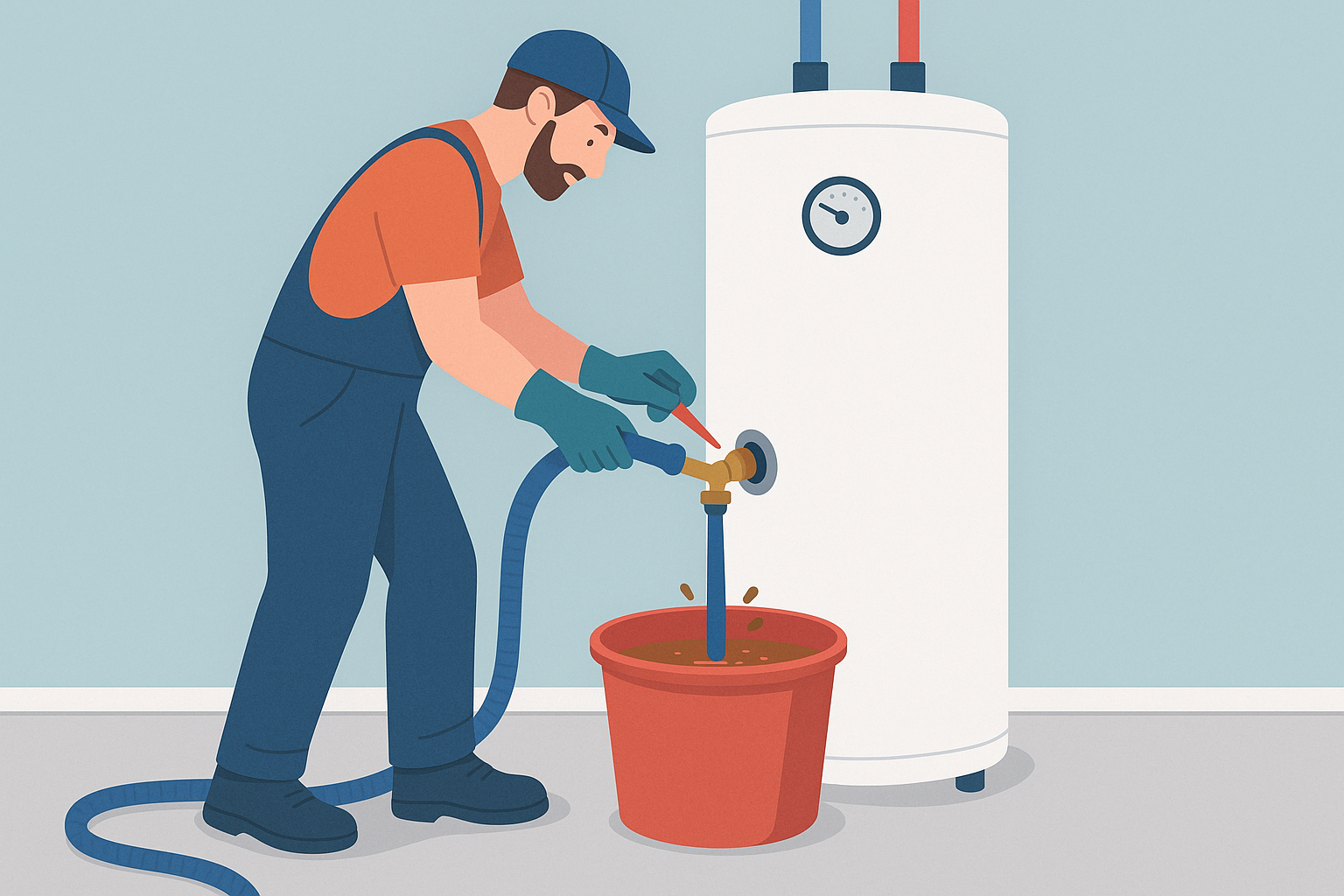
🔧 1. Flush the Tank Annually to Remove Sediment
Over time, sediment from minerals in your water (especially in hard water areas) settles at the bottom of your water heater tank. This buildup can:
- Reduce heating efficiency
- Cause popping or rumbling noises
- Lead to overheating and tank corrosion
Solution:
Drain and flush your water heater at least once a year. This removes sediment and helps maintain optimal performance. Most manufacturers recommend this as part of standard care.
💡 Tip: If your heater is in a hard water area, consider flushing every 6 months instead.
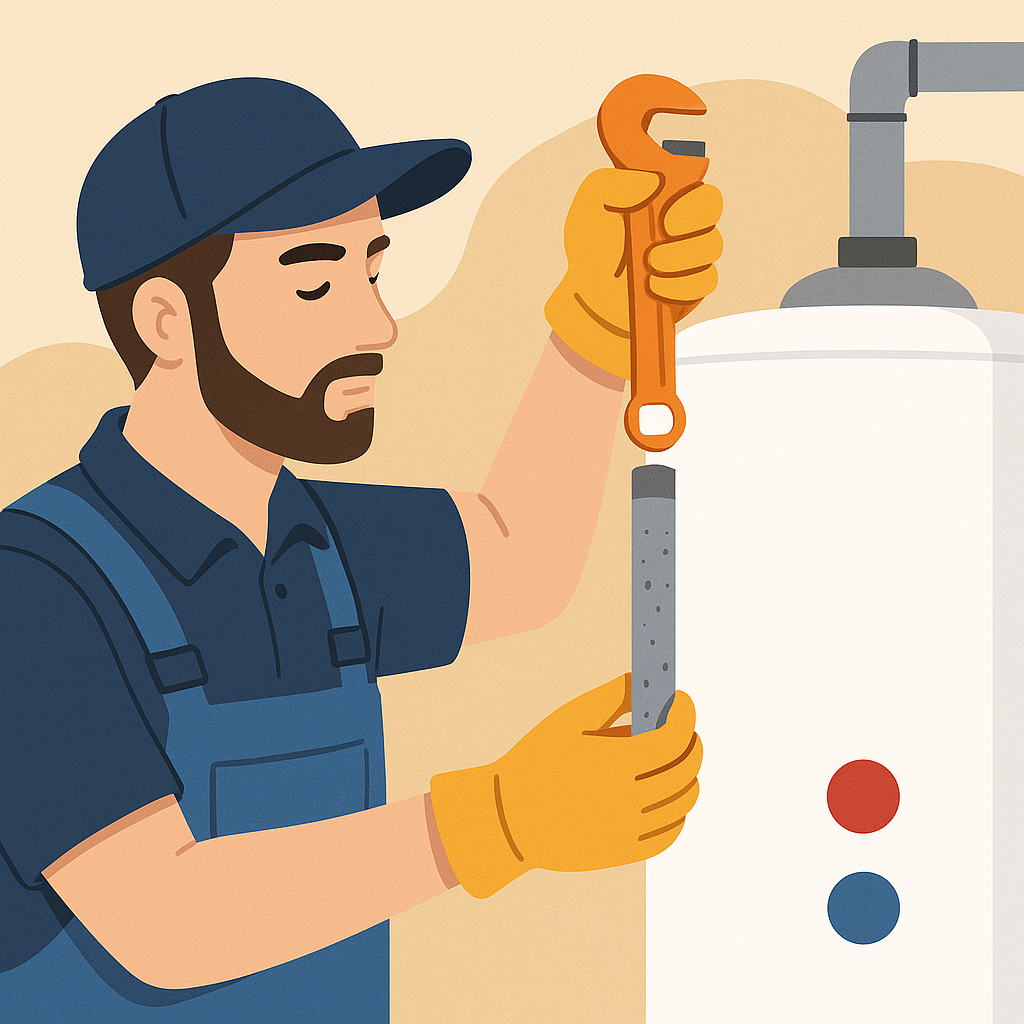
⚙️ 2. Check and Replace the Anode Rod
The anode rod is a sacrificial component inside your water heater that protects the metal tank from rusting. It attracts corrosive elements in the water so that the tank stays protected.
Warning signs your anode rod needs replacement:
- Rust-colored water
- Metallic odor
- More than 50% of the rod is corroded (inspect every 2–3 years)
Solution:
Have a technician inspect and replace the anode rod if it’s heavily worn. A good rod can extend your tank’s life by 3–5 years.
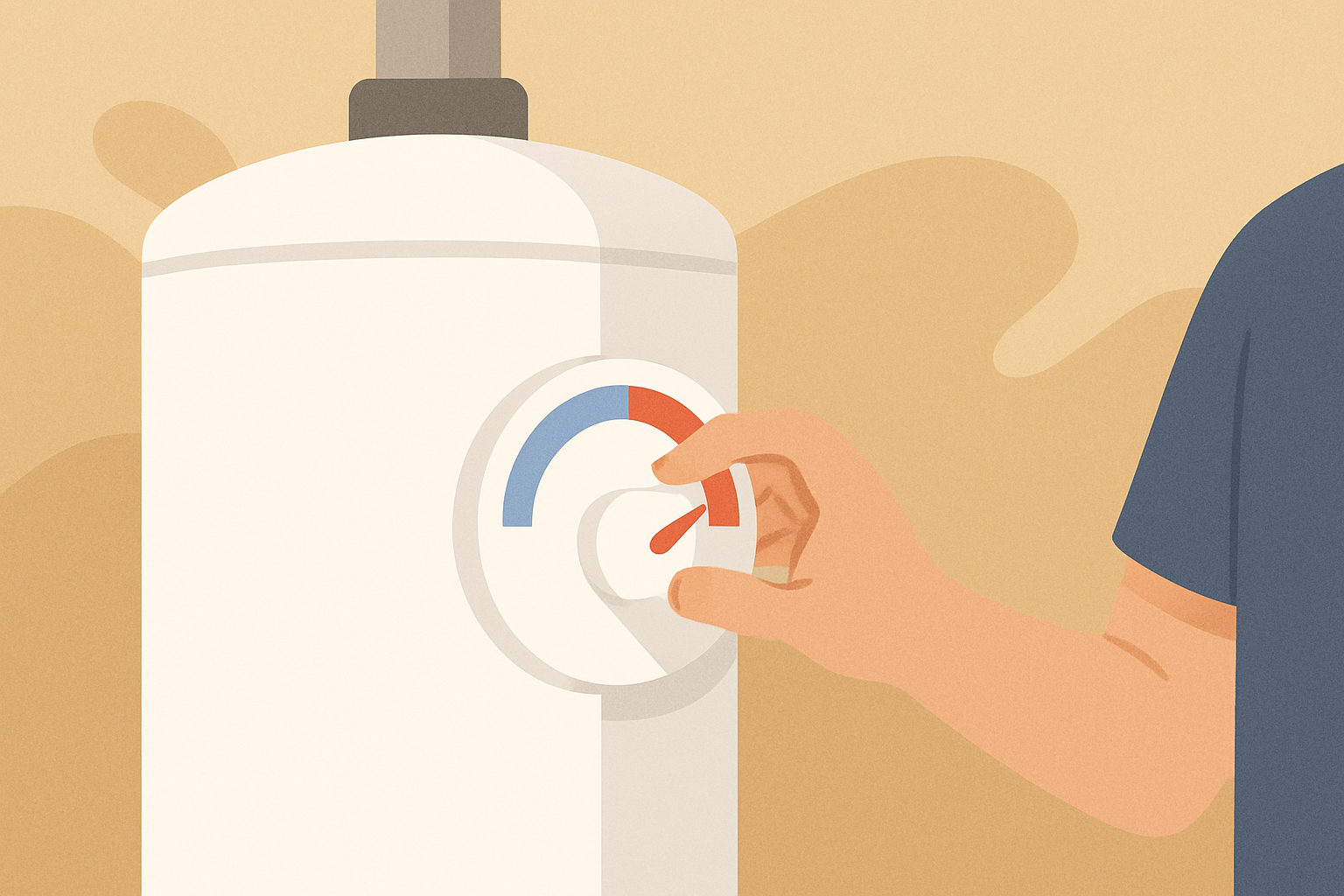
🌡️ 3. Keep the Temperature at a Safe and Efficient Level
Many heaters come preset at 140°F (60°C), but this is often hotter than necessary, increasing wear on the tank and using more electricity.
Recommended setting:
Keep the thermostat at 120°F (49°C) to:
- Prevent overheating
- Reduce energy costs
- Minimize scale buildup
🔥 Bonus: This setting is also safer for young children and the elderly, reducing the risk of scalding.
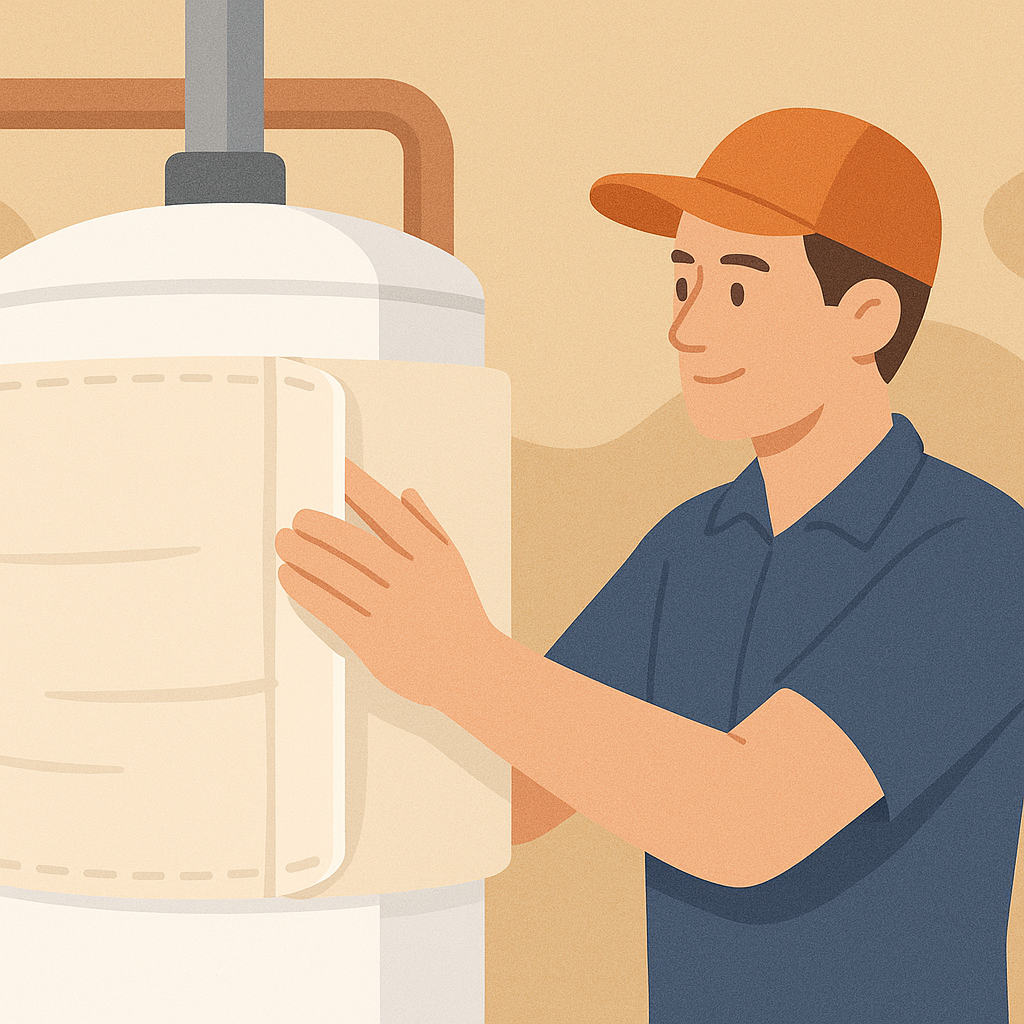
🧰 4. Insulate Your Tank and Pipes
Heat loss from the tank and surrounding pipes can force your heater to work harder, shortening its lifespan.
Simple upgrades:
- Use a water heater insulation blanket (especially for older models without built-in insulation)
- Wrap hot water pipes with foam insulation sleeves
This not only extends your heater’s life but also saves up to 10% on your energy bill.
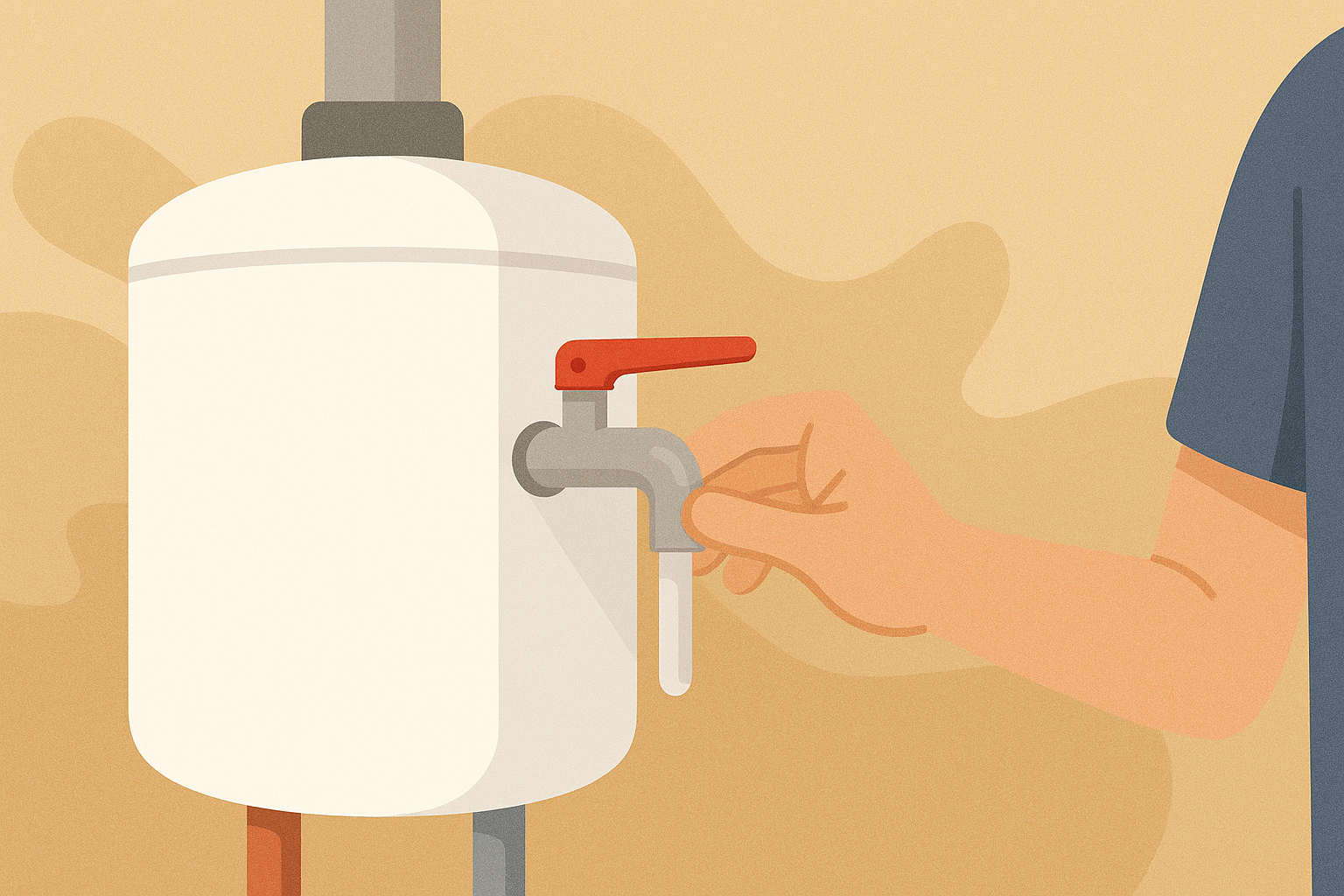
🛑 5. Test the Pressure Relief Valve
The temperature and pressure relief valve (T&P valve) is a critical safety feature that prevents the tank from over-pressurizing.
How to test it:
- Lift the valve’s lever slightly and let it snap back
- You should hear a rush of water into the drain pipe
- If nothing happens or it leaks after the test, it’s time for a replacement
Check this valve once a year to avoid dangerous pressure buildup.
✅ Final Thoughts: Maintenance Is Cheaper Than Replacement
Your storage water heater works hard every day—give it a little attention, and it will reward you with years of reliable performance. These five tips are simple, affordable, and can be done by any homeowner or a licensed plumber.
Summary of key actions:
- Flush the tank yearly
- Inspect the anode rod
- Set temperature to 120°F
- Insulate tank and pipes
- Test the pressure relief valve
Whether you’re using a 30L model in a small apartment or a 100L heater for a family home, following these steps can extend the unit’s life, improve energy efficiency, and save you hundreds of dollars in the long run.